Thermogenic Ingredients Explained: Yohimbine, GBB, Capsaicin, Carnitine
Aug 07, 2026
Thermogenic supplements often highlight ingredients like yohimbine, GBB (gamma‑butyrobetaine ethyl ester), capsaicin, and carnitine. This guide explains what each one is, how it’s typically listed on labels, what current research suggests, and practical buying tips—so you can compare products confidently without guessing.
Quick definitions and where you’ll see them on labels
- Yohimbine: An alkaloid from the yohimbe tree, commonly listed as “Yohimbine HCl” or in proprietary blends as part of a “thermogenic matrix.”
- GBB (Gamma‑Butyrobetaine Ethyl Ester): A carnitine precursor often labeled as “Gamma‑Butyrobetaine Ethyl Ester HCl,” sometimes marketed as “Super Carnitine.”
- Capsaicin/Capsinoids: Extracts of chili pepper or non‑pungent analogs; look for “capsaicin,” “capsicum extract,” “capsiate,” or “capsinoids.”
- Carnitine: A nutrient involved in fatty‑acid transport. Common forms are “L‑Carnitine,” “L‑Carnitine L‑Tartrate (LCLT),” and “Acetyl‑L‑Carnitine (ALCAR).”
Before you compare doses, scan the Supplement Facts panel and any Other Ingredients. If a formula uses a proprietary blend, you’ll see the total blend weight but not the exact amount of each ingredient. For a deeper walkthrough, see How to Read Fat Burner Labels (Doses, Blends, Red Flags).
Ingredient-by-ingredient: what the research and labels say
Yohimbine
What it is: A stimulant alkaloid. On labels you’ll commonly see “Yohimbine HCl.”
Evidence snapshot: Research on body composition is limited and mixed. Safety concerns are prominent. The NCCIH summarizes reported adverse effects—such as elevated blood pressure, rapid heart rate, and anxiety—and notes limited evidence for weight loss or athletic performance benefits. See the consumer safety overview from NCCIH.
Label cues to check:
- Total stimulants: Add up caffeine from all sources plus yohimbine. Avoid stacking with coffee, energy drinks, or other stimulant products the same day.
- Form: “Yohimbine HCl” is a standardized form. If listed as “yohimbe bark,” the yohimbine amount can be variable.
- Warnings: Many labels caution against use if you’re sensitive to stimulants, have cardiovascular conditions, take certain medications, are pregnant or nursing, or are under 18. Review the full warning panel and consider discussing with a qualified healthcare professional.
Who may prefer disclosed labels: Shoppers who want to know the exact stimulant content often choose products with fully disclosed Supplement Facts, or avoid yohimbine entirely and opt for non‑stimulant thermogenics.
GBB (Gamma‑Butyrobetaine Ethyl Ester)
What it is: A derivative of gamma‑butyrobetaine, a direct precursor in the body’s carnitine biosynthesis pathway. Human data on the ethyl‑ester supplement form are limited; earlier human research shows dietary gamma‑butyrobetaine can raise carnitine production, but this doesn’t automatically translate to performance or body‑composition outcomes for the finished supplement. Most evidence relates to the biochemical pathway rather than long‑term body‑composition outcomes. See foundational work at PubMed.
Common marketing angles: You’ll sometimes see “sweat‑inducing” or “super carnitine” language. Treat these as manufacturer positioning—not guarantees of results.
Label cues to check:
- Pairing with carnitine: GBB is frequently included alongside L‑carnitine or LCLT. Compare total carnitine equivalents across your stack to avoid duplication.
- Blend listing: Many products place GBB inside a proprietary “thermogenic” or “metabolic” matrix. If the exact amount matters to you, look for formulas that disclose GBB in mg per serving.
On‑site examples for non‑stimulant, carnitine‑centric formulas: Liquid and powder formats like MuscleSport CarniShred MitoBurn (16oz) and the capsule/powder option MuscleSport CarniShred Revolution (60 servings) emphasize carnitine metabolism and often pair it with complementary non‑stimulant ingredients. Review each label for the exact carnitine forms and any inclusion of GBB.
Capsaicin (and Capsinoids)
What it is: Bioactives from chili peppers; non‑pungent analogs are called capsinoids. They’re often included to support thermogenesis.
Evidence snapshot: Human trials and meta‑analyses suggest small average increases in resting energy expenditure and fat oxidation. Effects can vary and may be more apparent in individuals with higher BMI. See pooled human estimates in a systematic review and meta‑analysis at PubMed. Feeling warmer does not necessarily mean you’re burning substantially more calories.
Label cues to check:
- Naming: Listed as “capsaicin,” “capsicum extract,” “capsiate,” or “capsinoids.”
- Serving form: Found in capsules or in powdered blends; pungency varies. Start with manufacturer directions.
- Sensitivity: Some users experience GI warmth or discomfort. Try the product away from spicy meals the first few times.
Blends with disclosed labels to review: Some multi‑ingredient thermogenics pair capsaicin with caffeine and other botanicals. If you prefer a stim blend with a transparent panel, compare a formula like LFG (30 servings) and verify total stimulant content against your usual caffeine intake.
Carnitine
What it is: A compound that helps shuttle long‑chain fatty acids into mitochondria. It’s non‑stimulant and appears in many “daily use” weight‑management and performance formulas.
Evidence snapshot: Systematic reviews of randomized trials suggest modest, heterogeneous effects on body weight or fat mass in adults—often more apparent in populations with overweight/obesity. Outcomes vary by population, form, dose, and duration. See a meta‑analysis of randomized trials at PubMed.
Forms you’ll see: L‑Carnitine (general), L‑Carnitine L‑Tartrate (commonly used in training‑adjacent products), and Acetyl‑L‑Carnitine (often positioned for cognition). Labels typically list amounts in mg per serving.
Label cues to check:
- Form and dose disclosure: Look for the specific carnitine form and mg/serving. If combined with GBB, decide whether you want both in one product or separate, single‑ingredient options.
- Non‑stim build: Because carnitine is non‑stimulant, it’s often chosen by caffeine‑sensitive shoppers or for evening routines. For perspectives on stimulant‑free use cases, see Caffeine‑Free Weight Loss Supplements: When and Why.
On‑site examples with carnitine‑centric profiles: Compare disclosed, non‑stimulant choices like MuscleSport CarniShred Revolution (60 servings) and flavored liquid formats such as MuscleSport CarniShred MitoBurn (16oz).
Comparison at a glance
Use this table to compare the four ingredients across criteria that matter when you’re reading labels and deciding between single‑ingredient and multi‑ingredient products.
| Ingredient | Stimulant? | Typical label names | Evidence summary (human) | Key safety notes |
|---|---|---|---|---|
| Yohimbine | Yes (stimulant alkaloid) | Yohimbine HCl; Yohimbe extract | Limited/mixed for body composition; safety concerns emphasized by medical sources | May raise BP/HR; anxiety/insomnia risk; labeling variability noted by NCCIH |
| GBB (γ‑Butyrobetaine Ethyl Ester) | No | Gamma‑Butyrobetaine Ethyl Ester HCl | Limited direct human data on supplement form; precursor role supported biochemically | Often paired with other actives; monitor overlap with carnitine; assess GI tolerance |
| Capsaicin/Capsinoids | No (can feel warming) | Capsaicin; Capsicum; Capsiate; Capsinoids | Small average increases in resting energy expenditure/fat oxidation across studies/meta‑analyses | Possible GI discomfort or warmth; follow serving directions; warmth ≠ large calorie burn |
| Carnitine | No | L‑Carnitine; LCLT; ALCAR | Modest, heterogeneous weight outcomes in meta‑analyses | Generally well‑tolerated; compare total daily intake across products |
How to choose: single‑ingredient vs. blends
- Want maximum label control? Single‑ingredient products disclose an exact amount. That’s useful for avoiding duplication across your routine. A transparent, stimulant‑free capsule approach you can compare against blends is Bucked Up Buck Naked (90 caps), which lists key actives individually so you can see what overlaps with other products.
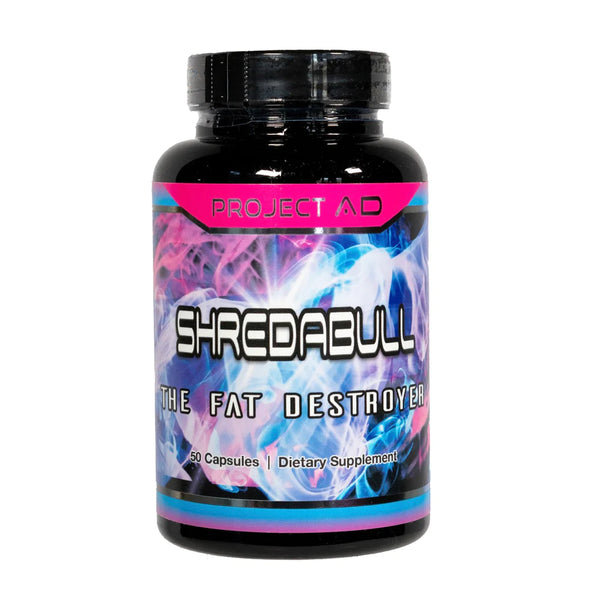
- Prefer convenience? Blends combine multiple actives—useful if you don’t want several bottles. Compare total caffeine and whether the blend lists exact milligrams for yohimbine/capsaicin. A disclosed‑panel stim blend to review is LFG (30 servings). For a more stimulant‑forward multi‑ingredient option, some shoppers also evaluate Project AD Shredabull; verify the full panel and stimulant content if you’re sensitive.
- Caffeine‑sensitive or evening use? Look for non‑stimulant thermogenics centered on carnitine and related compounds. CarniShred formats—Revolution or MitoBurn liquid—provide stim‑free profiles you can compare by form and flavor.
For broader expectations and use‑case context, see Do Fat Burners Actually Work? Evidence, Expectations, and Feel and our scenario guide Appetite Suppressant vs Fat Burner: How to Choose by Scenario.
Safety, quality, and drug‑tested sport
Thermogenic formulas vary widely. Read the full warning panel, serving directions, and any age restrictions. If you compete in drug‑tested sport—or simply prefer added assurance—look for products certified by third‑party programs that test for banned substances. The NSF Certified for Sport program is widely recognized; learn what this certification covers at NSF. The U.S. Anti‑Doping Agency also provides education on supplement risks and ways to reduce (but not eliminate) risk when choosing products; see USADA Supplement Connect.
If you’re comparing stimulant content or considering non‑stimulant alternatives, our cluster guides can help you weigh options and safety considerations: Caffeine‑Free Weight Loss Supplements: When and Why and Appetite Suppressant Side Effects and Safety Checklist. If you’re evaluating brand authenticity and quality claims, see Avoid Fake Weight Loss Supplements: Authenticity, Reviews, and COAs.
Practical label tips for U.S. shoppers
- Match the format to your routine: Capsules travel well; liquids and powders offer flavors; stim‑free options suit late‑day use.
- Check stimulant overlap: Add up caffeine and any yohimbine across all products you plan to use the same day.
- Scan for proprietary blends: If you prefer exact amounts for yohimbine or capsaicin, choose transparent labels.
- Note serving directions and warnings: Follow manufacturer directions and don’t exceed labeled servings.
- For Tennessee and other U.S. regions with hot summers: If a product includes capsaicin/capsinoids and you’re heat‑sensitive, consider trying your first serving indoors in a cool environment to gauge comfort.
Frequently Asked Questions
Are non‑stimulant thermogenics like carnitine or capsinoids a fit if I avoid caffeine?
They can be options to consider because they’re non‑stimulant. Effects are typically modest and vary across studies. Compare labels for the specific carnitine form and any inclusion of capsinoids, and review our overview of use‑cases in Caffeine‑Free Weight Loss Supplements: When and Why.
Does feeling warm from capsaicin mean I’m burning a lot more calories?
No. Studies report small average increases in resting energy expenditure on test days; the warm sensation doesn’t equal large calorie burn. See meta‑analysis context at PubMed.
How should drug‑tested athletes evaluate thermogenic products?
Avoid high‑risk products and prefer third‑party certifications designed for sport. Certification cannot guarantee safety, but programs like NSF Certified for Sport help reduce risk. USADA’s Supplement Connect explains steps to recognize and reduce risk.
Where can I learn what the ingredient amounts actually mean on a label?
Start with How to Read Fat Burner Labels (Doses, Blends, Red Flags) for a walkthrough of serving sizes, proprietary blends, and common thermogenic actives.
Next steps
- If you want a stimulant‑free, carnitine‑forward option to compare by form and flavor, review MuscleSport CarniShred Revolution and MuscleSport CarniShred MitoBurn.
- If you’re evaluating a disclosed‑panel stim blend that includes thermogenic botanicals, look at LFG (30 servings) and compare total stimulant content to your usual intake.
- If you prefer a multi‑ingredient capsule positioned for cutting phases and can tolerate stimulants, assess the full label and warnings on Project AD Shredabull.
- For broader expectations and comparisons across categories, read Do Fat Burners Actually Work? Evidence, Expectations, and Feel.