The Complete Guide to Weight Loss Supplements: What Actually Helps (and What Doesn’t)
Aug 07, 2026
Looking at weight loss supplements and wondering what’s real? This neutral, label‑first guide explains what the major categories can and cannot do, how to read claims, and how to pick options that fit your routine without overdoing stimulants. For U.S. adults, nutrition, activity, sleep, and stress still move the needle most. Consumer guidance from NCCIH notes that many products marketed for weight loss show limited or inconsistent effects and that safety varies by ingredient; set conservative expectations and prioritize quality and third‑party testing.
What weight loss supplements can—and can’t—do
- Can: modestly increase energy expenditure (often via caffeine) and help some people stick with nutrition and activity by adding structure or perceived support. A 2022 review found caffeine increases fat metabolism with small average effects in controlled settings (systematic review and meta‑analysis).
- Can’t: replace calorie control, physical activity, sleep, or medical care. Higher‑quality reviews of concentrated botanicals such as green tea typically show minimal or inconsistent effects on meaningful weight change (Cochrane review on green tea).
- Should: be screened for total stimulant intake, overlapping ingredients, label transparency, and third‑party testing—especially if you’re caffeine‑sensitive, take medications, are pregnant or nursing, or compete in drug‑tested sport. See the checklist below and consider recognized programs when available; NCCIH also warns some products marketed for weight loss have contained hidden drugs (NCCIH safety advisory).
How to read labels and claims without the hype
The fastest way to shop smarter is to compare what the label states against common research ranges and to spot proprietary blends that hide amounts. For a step‑by‑step walkthrough of doses, blends, and red flags, see How to Read Fat Burner Labels (Doses, Blends, Red Flags). NCCIH also cautions that products marketed for weight loss may contain illegal or undisclosed ingredients; “natural” doesn’t automatically mean “safe.” Learn practical consumer checks in Avoid Fake Weight Loss Supplements: Authenticity, Reviews, and COAs.
Major categories at a glance
Use this compact matrix to understand common supplement types, where they may fit, and key cautions.
| Category | What it targets | Evidence snapshot | Common ingredients | Who might consider | Key cautions |
|---|---|---|---|---|---|
| Stimulant‑containing thermogenics | Energy expenditure, alertness | Small average effects mainly tied to caffeine in trials | Caffeine, green tea/catechins, grains of paradise, synephrine blends | Those not sensitive to caffeine who prefer capsules or powders | Total daily caffeine; interactions; sleep disruption; avoid stacking with coffee/energy drinks and stimulant pre‑workouts |
| Non‑stimulant “burn” formulas | Perceived heat/thermogenesis without caffeine | Mixed or preliminary human data by ingredient | Carnitine, capsinoids/capsaicin, GBB, L‑BAIBA | Caffeine‑sensitive users or evening use | GI tolerance; niche ingredients may lack robust human outcomes |
| Glucose support ("GDA") | Carb handling, post‑meal responses | Ingredient‑specific and mixed; effects vary with diet and timing | Banaba (corosolic acid), cinnamon extracts, chromium | People focused on high‑carb meals under healthcare guidance | May affect blood sugar; review meds and conditions with a clinician |
| Protein and fiber | Satiety, lean‑mass retention, meal structure | Strong general nutrition evidence for satiety and adherence | Whey/casein/plant proteins; soluble/viscous fiber | Anyone needing convenient meal support | Allergens; GI tolerance; monitor total daily protein/fiber |
| Sleep/stress support | Indirect help via better sleep and routine adherence | Ingredient‑specific; not a fat burner | Magnesium glycinate, theanine, ashwagandha, glycine | Those with sleep challenges seeking non‑stimulant options | Check interactions; avoid sedatives + driving |
| Short‑term water cuts | Temporary scale weight via water loss | Cosmetic/short‑term only | Dandelion, electrolytes/diuretics, caffeine | Specific weigh‑ins or photos under guidance | Hydration and electrolyte balance; not body‑fat reduction |
Ingredient evidence: quick notes
- Caffeine: consistent, modest effects on fat metabolism and small average impacts on weight‑related outcomes in controlled settings; map total daily intake from all sources (systematic review and meta‑analysis).
- Green tea/catechins: effects are small or inconsistent across higher‑quality reviews—don’t expect meaningful changes alone (Cochrane synthesis).
- Capsaicin/capsinoids, carnitine, L‑BAIBA: emerging or mixed human data; individual responses vary. Keep expectations conservative and follow the manufacturer’s directions.
- Bitter orange/synephrine: often marketed for thermogenesis but with uncertain benefit and potential cardiovascular risks—be cautious with any stimulant combination and review health history with a professional. See consumer cautions from NCCIH.
Stimulant awareness: keep totals in check
Many “feelable” fat burners contain caffeine or other stimulants. To reduce side‑effect risk, do not combine a stimulant fat burner with coffee, energy drinks, pre‑workouts, or stimulant RTDs. If you’re sensitive to caffeine, consider a non‑stimulant option during the day and avoid stimulant products near bedtime—don’t escalate doses to “feel more.” Drug‑tested athletes should look for recognized third‑party marks such as NSF Certified for Sport, which includes banned‑substance screening and label verification.
Quality and safety checks that matter (U.S.)
- Third‑party testing: Prefer products with widely recognized certifications (for example, USP Verified for identity, strength, purity, and manufacturing practices, or athlete‑focused programs like NSF Certified for Sport).
- Directions and warnings: Follow manufacturer directions. Review contraindications related to heart conditions, blood pressure, psychiatric history, pregnancy or nursing, and medications. If you take prescriptions, discuss potential interactions with a clinician. See consumer safety guidance from NCCIH.
- Authenticity: Buy from reputable retailers and brands. If you’re vetting a product online, compare labels across batches and look for brand‑provided Certificates of Analysis when available. For practical checks, see Avoid Fake Weight Loss Supplements: Authenticity, Reviews, and COAs.
Choosing by scenario (keep it simple and safe)
- “I’m caffeine‑sensitive or I train at night.” Consider non‑stimulant formulas or single‑ingredient options first. For deeper context, see Caffeine‑Free Weight Loss Supplements: When and Why. A stim‑free formula like Transparent Labs Recomp Stim‑Free may suit daytime or evening routines when you want to avoid added caffeine. For nighttime routines specifically, a non‑stim blend positioned for evening use such as Night Burn can fit schedules where sleep quality is a priority.
- “Should I choose an appetite suppressant or a fat burner?” Match the product to your main challenge (hunger vs. energy). Start with Appetite Suppressant vs Fat Burner: How to Choose by Scenario and then review safety in Appetite Suppressant Side Effects and Safety Checklist.
- “I’m comparing thermogenic ingredients.” If a label lists yohimbine, GBB, or higher‑dose capsaicin, read effects and cautions in Thermogenic Ingredients Explained: Yohimbine, GBB, Capsaicin, Carnitine. For a conventional stimulant thermogenic positioned for daytime, some shoppers compare blends like Superhuman Scorch; always check your total caffeine from all sources and avoid stacking stimulants.
- “I want a single, targeted ingredient.” Some shoppers prefer a one‑ingredient option to learn tolerance or fit a narrower goal. If you’re curious about L‑BAIBA, see a dedicated capsule such as Gains Candy MitoBurn (L‑BAIBA); evidence is preliminary, so keep expectations modest and follow the label.
- “Carb‑heavy meals are my sticking point.” Consider whether a glucose support formula aligns with your eating pattern and medical context; ingredients can influence post‑meal responses. Discuss with a clinician, especially if you use diabetes medications, and review NCCIH’s perspective on diabetes supplements (NCCIH overview).
- “I prefer clearly labeled, moderate‑stimulant options.” If comparing formulas, look at labeled caffeine, other stimulants, serving directions, and your schedule. For example, compare a moderate‑stim blend like Motiv8 Burn to stronger‑positioned alternatives such as Condemned Labz Arsynist; do not combine with other stimulant products.
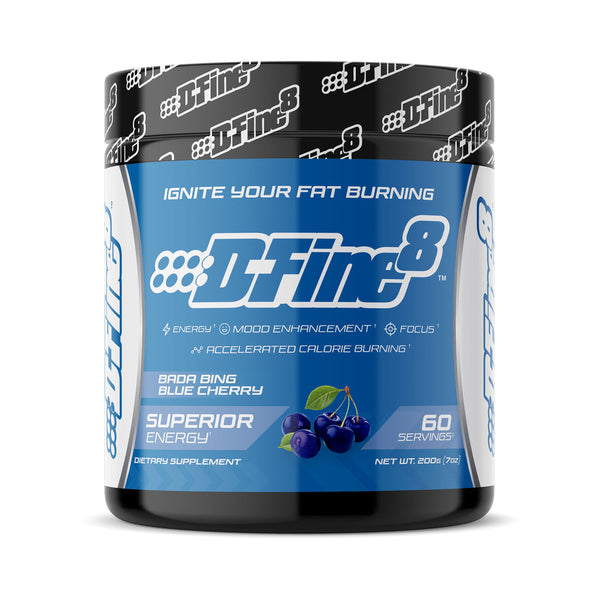
- “I want a daytime, caffeine‑containing option with straightforward directions.” Some adults look at D‑FINE8 for a powder format or Enhanced Labs All Day Shred for capsule format; compare label transparency, stimulant content, and your tolerance. Avoid pairing with coffee or energy drinks.
- “I’d rather avoid stimulants but still want a ‘thermo’ style formula.” A non‑stim capsule such as Bucked Up Buck Naked can fit daytime or evening use for those minimizing caffeine.
How to evaluate a product page (quick checklist)
- Supplement Facts are complete: Active ingredients are listed with amounts per serving; proprietary blends disclose total weights.
- Directions and warnings are clear: Serving frequency and cautions are specific; any age or athlete advisories are present.
- Stimulant mapping: Caffeine (including from coffee, tea, yerba mate, or guarana) and other stimulants are easy to identify; your total daily intake stays within your personal tolerance and clinician guidance.
- Third‑party testing: Look for athlete‑focused certification like NSF Certified for Sport or quality marks such as USP Verified that evaluate identity, purity, and manufacturing controls.
- Marketing vs. evidence: Separate phrases like “thermogenic ignition” or “metabolic accelerator” from ingredient facts and human data. If a claim sounds dramatic, look for cited research and match it to what’s on the label. For expectation setting, see Do Fat Burners Actually Work? Evidence, Expectations, and Feel.
- Retailer due diligence: Prefer reputable U.S. retailers and avoid marketplaces with inconsistent sourcing. If something feels off—unusually low price, odd packaging—pause and verify. Our core orientation is in Weight Loss Supplements: Appetite, Fat Burners & Smarter Choices.
Choosing formats and features
Capsules vs. powders vs. RTDs
- Capsules: convenient and travel‑friendly; harder to split doses precisely.
- Powders: flexible serving size; often include flavor systems and electrolytes.
- RTDs: fast and portable; watch for overlapping caffeine with other beverages.
Label transparency
Transparent labels help you map total intake and avoid duplication across products. If a formula uses a proprietary blend, look for context in mg totals and brand education pages, then cross‑check with your tolerance and schedule.
Regional notes for U.S. shoppers
- Drug‑tested athletes: Choose products that are batch‑tested and certified where possible. The NSF Certified for Sport directory is a starting point for locating certified items.
- Quality markers: The USP Verified mark indicates a program that evaluates identity, strength, purity, and good manufacturing practice adherence.
- Consumer caution: NCCIH highlights that some weight loss supplements have been found to contain hidden drugs; buy from reputable sources and review safety pages like Using Dietary Supplements Wisely.
Frequently Asked Questions
Do fat burners actually work?
Effects are typically modest and more about support than transformation. Reviews suggest caffeine can increase fat metabolism in controlled settings, but meaningful, sustained weight change depends on diet, activity, and sleep. For realistic expectations and common sensations users report, see Do Fat Burners Actually Work? Evidence, Expectations, and Feel.
How can I avoid overdoing stimulants?
Pick either a stimulant fat burner or another caffeine source—not both. Map daily caffeine from coffee, tea, sodas, pre‑workouts, RTDs, and thermogenics. Avoid late‑day use if it affects sleep. Caffeine‑sensitive adults may prefer a non‑stim option like Transparent Labs Recomp Stim‑Free or a night‑support formula such as Night Burn.
Is “USP Verified” or “NSF Certified for Sport” worth it?
These programs add independent checks. USP Verified evaluates identity, strength, purity, and manufacturing practices; NSF Certified for Sport includes banned‑substance screening and label verification. Certifications can narrow choices for athletes and cautious buyers, though certified options may be fewer and sometimes cost more.
Should I use an appetite suppressant or stick with a thermogenic?
Match the tool to your main barrier. If hunger derails your plan, you may look at appetite‑centered products; if daytime alertness is the issue, a thermogenic might be considered. Compare pros/cons in Appetite Suppressant vs Fat Burner: How to Choose by Scenario and review safety specifics in Appetite Suppressant Side Effects and Safety Checklist.
Next steps
- Skim labels for caffeine and stimulant overlap, proprietary blends, and clear directions.
- Cross‑check quality signals such as USP Verified or NSF Certified for Sport when relevant to your needs.
- Explore ingredient specifics and safety in the related guides above before you buy. If you want comparison shopping with clear expectations, start with the cluster’s core overview: Weight Loss Supplements: Appetite, Fat Burners & Smarter Choices.
- Prefer a product only after confirming fit with your schedule, health context, and tolerance. If unsure, consult a qualified healthcare professional.