Weight Loss Supplements: Appetite, Fat Burners & Smarter Choices
Aug 07, 2026
If you’re exploring weight loss supplements in the U.S., you’ll quickly encounter different promises and very different label styles: stimulant thermogenics that emphasize energy and heat, non‑stimulant (caffeine‑free) formulas positioned for night use or sensitive users, appetite‑support products to quiet cravings and “food noise,” and—on a completely separate track—prescription GLP‑1 medications. This Core Guide brings those threads together so you can decide calmly and confidently. You’ll see how to match a category to your real hurdle (hunger, energy, schedule, or budget), how to read key parts of Supplement Facts, and where evidence tends to be modest rather than dramatic. Throughout, we link to deeper buying guides for specific situations and label walk‑throughs, all written to help you shop safely without hype or prescriptive dosing schedules.
First principles: what moves the needle vs. what supports the plan
Supplements can support a solid routine; they can’t replace it. For most adults, meaningful, durable change comes from steady nutrition, adequate protein, regular activity, good sleep, and stress management. If you want a quick refresher on movement basics for health and weight management, consumer‑friendly overviews from federal and professional sources are helpful. Educational content from the National Center for Complementary and Integrative Health explains that many weight‑loss supplements show limited or mixed effects and emphasizes a safety‑first mindset; it’s a useful reality check before you buy. See NCCIH.
Against that backdrop, a supplement’s role is modest: help you stick to your eating plan (for instance, by reducing between‑meal snacking), provide a small thermogenic nudge (often through caffeine or capsaicin‑class extracts), or make training and hydration easier to execute consistently. Our goal here is to help you select with realistic expectations and match products to your specific use case—day vs night, stim vs non‑stim, hunger vs energy—so you get the most benefit with the least downside.
How to use this guide
This page is your “one‑stop” orientation to appetite support, stimulant and non‑stimulant fat burners, and GLP‑1 alternatives. Where a focused deep‑dive exists, we summarize why you might need it and link you straight to the right article. If label jargon is slowing you down, our label walk‑through in How to Read Fat Burner Labels (Doses, Blends, Red Flags) shows how to decode serving sizes, proprietary blends, warning panels, and “other ingredients” so you can compare products on facts, not front‑label claims.
Evidence and expectations: what “works” usually looks like
One of the most common questions we hear is, “Do fat burners actually work?” The balanced answer is that some ingredients demonstrate small, measurable effects in controlled settings, but outcomes vary widely by formula, dose, and individual habits. Our plain‑English explainer Do Fat Burners Actually Work? Evidence, Expectations, and Feel separates how these products often feel from what research tends to show. For example, systematic reviews of green tea extracts (catechins + caffeine) suggest small average effects on weight or waist size—not a replacement for calorie control. You can scan a high‑level review at the Cochrane Library.
Independent education for U.S. consumers also underscores limitations and safety considerations, including the risk that some products may contain undisclosed substances or unusually high stimulant loads. Before you build a cart, it’s worth reviewing the consumer snapshot from NCCIH for a sober overview of common ingredients, potential side effects, and interactions.
Choose by scenario: appetite vs thermogenesis vs non‑stim
People struggle in different ways. Some days it’s hunger and grazing. Other days it’s low drive during long desk sessions. Some adults tolerate caffeine well; others prefer gentle, sleep‑friendly options. Choosing by scenario keeps things simpler and safer. If you want a full decision framework with real‑world examples (night shifts, long commutes, training cycles), read Appetite Suppressant vs Fat Burner: How to Choose by Scenario. The quick matrix below previews the logic.
Decision matrix: match your priority to a supplement lane
Use this comparison to identify the category that most closely fits your priorities and routine.
| Your priority | Category to explore | What’s typically inside | When it often fits | Key cautions |
|---|---|---|---|---|
| Reduce hunger, cravings, and “food noise” so meals are easier to follow | Appetite support | Viscous fibers, protein RTDs/meal replacements, select botanicals (e.g., saffron extracts), minerals | Calorie adherence, stressful seasons, evening snacking | Medication timing with fibers; potential interactions for select botanicals; effects vary by person |
| Daytime energy and warmth; you already tolerate caffeine | Stimulant thermogenic | Caffeine sources, tea/coffee extracts, capsaicin/capsinoids, grains of paradise | Morning or early‑day use when you want alertness | Total daily caffeine from all sources; stimulant overlap with pre‑workout or energy drinks; sleep timing |
| Caffeine‑sensitive or night use; you want a gentler, sleep‑friendly feel | Non‑stimulant fat burner | Carnitine forms, capsaicin/capsinoids, grains of paradise, GBB | Evening or shift work; already drink coffee and want to avoid stacking stimulants | Effects are subtler by design; still review labels for hidden stimulant sources |
| Medical‑grade appetite and weight reduction under supervision | Prescription GLP‑1 path | GLP‑1 receptor agonists (e.g., semaglutide‑class medications) | Clinician‑guided weight management with monitoring and support | Prescription side effects, cost, and access; coordinate any supplement use with your care team |
Label literacy: compare what’s inside, not front‑label promises
Front labels can be creative; Supplement Facts are where objective comparisons happen. Work through these items each time you turn a bottle:
- Serving size vs. servings per container. A “one serving” claim might be one capsule or two; one scoop or two. Compare total daily intake based on how the label is structured.
- Amount per serving. Milligram amounts help you compare formulas and avoid unintentional overlap with other products you use.
- Proprietary blends. These list a group of ingredients and a total blend weight, not the amount of each. That doesn’t make a product “bad,” but it limits direct comparison.
- Other ingredients. Capsule materials, flavors, and sweeteners appear here. Note potential allergens or ingredients you prefer to limit.
- Directions and warnings. Follow the manufacturer’s labeled directions and introduce only one new product at a time so you can evaluate tolerance.
For a step‑by‑step walkthrough, including screenshots and common red flags, see How to Read Fat Burner Labels (Doses, Blends, Red Flags). If you’re curious about specific thermogenic ingredients—what “GBB” actually is, how carnitine appears on labels, or why yohimbine requires caution—our ingredient explainer Thermogenic Ingredients Explained: Yohimbine, GBB, Capsaicin, Carnitine gives a neutral overview of what research suggests and key safety notes.
Appetite, cravings, and “food noise”
If the hardest part of your day is overeating or frequent snacking, appetite support may be more relevant than a stimulant burner. You’ll see ingredients that aim to help you feel fuller, reduce “food noise,” or make structured meals easier to follow. But the category is broad, and the evidence often applies to ingredient types (e.g., viscous fibers or specific botanicals) rather than to brand‑name blends.
Our buyer’s guide Best Appetite Suppressant Supplements (Caps, Powders, and RTDs) explains formats and how to read the panel for transparency. To separate hunger from cravings—and to see which ingredients are positioned for satiety versus craving control—scan Supplements That Help with Food Noise (Hunger vs Cravings). If stress and emotion‑driven eating are your trigger, it helps to pair food‑first habits with gentle support; the guide Emotional Eating: Supportive Supplements and Habits offers practical routines plus label literacy for non‑stimulant options.
Any appetite‑support plan should also include a protein strategy you can stick with. If you skip meals or need a back‑up option on busy days, a meal replacement can control calories and improve satiety more predictably than grazing. For help choosing when to use one versus a simple protein shake, see Meal Replacement vs Protein Powder: What to Use When You’re Skipping a Meal. And if you’re timing protein around training to support adherence and recovery, this practical overview keeps it simple: Protein Timing Around Workouts: Pre, Post, and On‑the‑Go Shakes.
Because safety comes first in this category, review potential side effects by ingredient class and a simple stop‑use checklist in Appetite Suppressant Side Effects and Safety Checklist. It summarizes typical complaints such as jitteriness from stimulants, GI effects from fibers if taken without enough water, and known interactions for certain botanicals.
Stimulant thermogenics: what to expect and how to compare
Many “fat burners” rely on caffeine or caffeine‑containing extracts alongside capsaicin‑class ingredients and flavor‑adjacent botanicals. The goal is typically a combination of perceived energy, heat, and workout readiness. Research tends to show small thermogenic effects in controlled settings, and any real‑world impact depends heavily on your nutrition, activity, sleep, and consistency. For a straightforward expectations check—including what these formulas often feel like—read Do Fat Burners Actually Work? Evidence, Expectations, and Feel.
When comparing stimulant options, read the total caffeine per serving and per day on the Supplement Facts, and remember to factor in your coffee, tea, energy drinks, or pre‑workout. Avoid stacking stimulants across multiple products. If a product contains yohimbine or similar compounds, be extra cautious and ensure the label’s warnings fit your health status and any medications. Our ingredient explainer Thermogenic Ingredients Explained: Yohimbine, GBB, Capsaicin, Carnitine outlines why these ingredients carry different risk profiles and how they’re usually presented on labels.
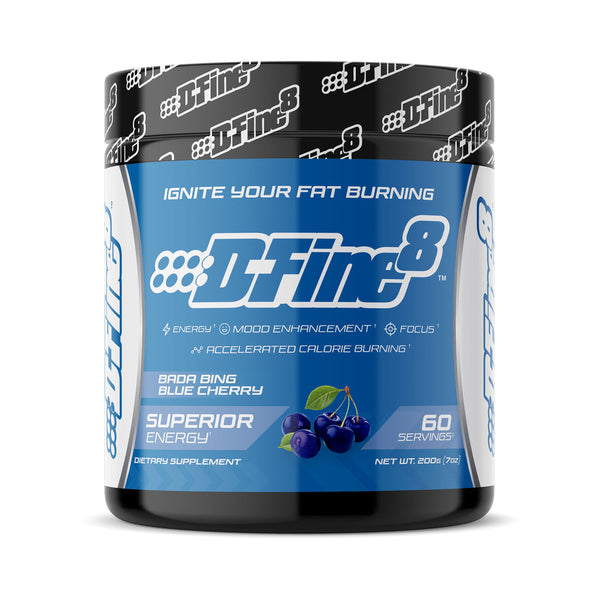
Where a caffeinated thermogenic can fit: some adults prefer daytime alertness, especially during calorie deficits. If that describes your context and you already tolerate caffeine well, a mainstream stimulant formula may feel appropriate provided you track total daily caffeine and follow the labeled directions. A popular example in our store is a multi‑ingredient thermogenic powder; in that category, D‑FINE8 is frequently chosen by shoppers who want a flavored, caffeinated option and plan their total daily caffeine from all sources accordingly. If your routine already includes a caffeinated pre‑workout or you drink coffee throughout the day, consider a non‑stimulant lane for thermogenic support instead of stacking stimulants.
Non‑stimulant (caffeine‑free) fat burners: who they fit and how they differ
Non‑stim formulas are designed for shoppers who train at night, are caffeine‑sensitive, or simply want to avoid stacking stimulants with coffee or pre‑workout. Labels often feature carnitine forms, capsaicin/capsinoids, grains of paradise, and GBB—a carnitine precursor often marketed in non‑stimulant formulas and may be associated with a warming or increased‑sweating sensation in some users. Effects are typically subtler than caffeinated blends, which is the point if you’re protecting sleep and daily calm. Our practical primer Caffeine‑Free Weight Loss Supplements: When and Why explains who tends to benefit, how to read labels for hidden stimulant sources, and how these products are positioned in real life.
If you’d like a shortlist that focuses on night‑friendly labels and transparency cues, start with Best Non‑Stimulant Fat Burners (Night Use and Caffeine‑Sensitive). In that context, capsule‑based non‑stim thermogenics often pair easily with an existing routine. For shoppers who prefer a label with fully disclosed actives and no caffeine, a common choice is Transparent Labs Fat Burner Stim‑Free (capsules); buyers select it when they want a non‑stim thermogenic with clear Supplement Facts and no stimulant overlap with coffee or pre‑workouts.
Protein + fat burner: can they live in the same routine?
Yes—many U.S. adults use a protein supplement alongside a weight‑management product. The better question is how to check compatibility and timing without stacking stimulants or disrupting sleep. Our neutral explainer Protein + Fat Burner: Can You Take Both? Timing and Safety shows how to read both labels side‑by‑side, verify total caffeine, and plan use so it supports your day. Protein itself is non‑stimulant; the compatibility check is almost always on the “fat burner” side of the equation.
Some readers prefer a stim‑free training setup entirely. If you like that lane, a non‑stimulant pre‑workout can pair with a non‑stim thermogenic without adding caffeine. In our catalog, Transparent Labs Stim‑Free (pre‑workout powder) is often chosen by shoppers who want a caffeine‑free training formula and plan to keep any thermogenic support non‑stimulant as well.
Build a simple, safe “weight loss stack” (if you choose to use one)
If you’re set on building a small supplement stack, keep it simple and label‑first. Our practical planner Weight Loss Stack Builder: Pairing Protein, Burners, and Electrolytes explains how shoppers typically combine a protein they’ll actually use, a single thermogenic lane (stim or non‑stim—never both at once), and an electrolyte option for heat or training. Prefer third‑party tested products where possible, and always account for total daily stimulants.
One way to keep a stack conservative is to choose a single‑ingredient option to test a hypothesis rather than jumping straight to a large blend. In our store, Transparent Labs Forskolin (single‑ingredient) is an example of a narrowly focused product that some shoppers explore when they prefer a simpler label before considering multi‑ingredient thermogenics. If your goal is gradual, sustainable body recomposition rather than a fast “cut,” some shoppers prefer a daily formula positioned for recomposition support; in that context, Transparent Labs Recomp is selected by buyers who want a single product to anchor a low‑stim or non‑stim routine while they dial in protein and training.
Goal‑based picks: cutting, recomp, and gendered marketing claims
Labels often aim at a specific audience—“for men,” “for women,” “for cutting,” “for recomp.” The actual decision should still happen on the Supplement Facts, not the front‑label theme.
Cutting phases (from show prep to mini‑cuts)
Contest prep and mini‑cuts both depend on calorie control, protein sufficiency, and training quality. Supplements can only support those pillars. Physique athletes frequently look for non‑stimulant pre‑workouts during long deficits, a carefully chosen thermogenic lane (often non‑stim to protect sleep and reduce overlap), and hydration support. For a label‑first tour of typical options and how to avoid stimulant stacking across long contest phases, see Cutting Supplements for Bodybuilders (Show Prep to Mini‑Cut).
Recomposition (steady improvements over months)
Recomp focuses on modest calorie deficits (or maintenance) with progressive training and high protein. Most shoppers in this lane gravitate toward non‑stimulant thermogenics or none at all, preferring to keep sleep intact and caffeine intake flexible for days when they truly need it. If you’re building a routine around protein first, the cluster‑level overview The Complete Guide to Weight Loss Supplements: What Actually Helps (and What Doesn’t) connects big‑picture evidence with practical label cues and third‑party testing.
“For men” vs “for women” products
Despite the gendered packaging, many labels differ more on stimulant content, capsule count, or added ingredients than on sex‑specific physiology. That said, some buyers appreciate roundups that explain common ingredient choices and tradeoffs within a target audience. For men comparing stim and non‑stim options by goal (cutting vs recomp), see Best Fat Burners for Men (Cutting and Recomp Use‑Cases). For women weighing day vs night use, stimulant content, and short‑term “water‑cut” (diuretic) products, read Best Fat Burners for Women (Stim, Non‑Stim, and Water‑Cut Options).
GLP‑1 vs over‑the‑counter supplements: different tools entirely
Prescription GLP‑1 receptor agonists (such as semaglutide‑class medications) and OTC supplements play fundamentally different roles. GLP‑1 medications are FDA‑approved for chronic weight management in specific adults and are used alongside structured nutrition and activity with clinician oversight. Many OTC products, by contrast, are blends of dietary ingredients with modest evidence that varies by ingredient and dose. If you’re weighing these routes—cost, access, evidence, and day‑to‑day experience—our neutral explainer GLP‑1 vs Weight Loss Supplements: What to Know Before You Buy compares the lanes clearly so you can have an informed discussion with your healthcare professional.
Authenticity, third‑party programs, and athlete‑specific risk
Two different quality questions matter. First, is the product authentic and accurately labeled? Second, if you’re drug‑tested, what’s the risk profile?
Counterfeit and low‑quality supplements can circulate online. Our verification checklist in Avoid Fake Weight Loss Supplements: Authenticity, Reviews, and COAs explains how to match a Certificate of Analysis (COA) to the exact lot number on your bottle and how to use credible third‑party marks for added assurance. For athletes and tested professionals, education from the U.S. Anti‑Doping Agency outlines why no supplement is risk‑free and how to reduce risk exposure when you choose to use supplements. Review the athlete‑focused guidance at USADA before you purchase anything that could affect your eligibility.
Common ingredients you’ll see—and how to think about them
The list below summarizes frequent label appearances so you can recognize patterns, compare products, and keep safety in view. For names, synonyms, and where these appear on Supplement Facts, our dedicated primer Thermogenic Ingredients Explained: Yohimbine, GBB, Capsaicin, Carnitine provides more detail.
- Caffeine and caffeine‑containing extracts. Often presented as caffeine anhydrous, di‑caffeine malate, or tea/coffee bean extracts. Consider total daily caffeine from all sources and avoid stacking with other stimulant products.
- Green tea catechins (EGCG) with or without added caffeine. Meta‑analyses suggest small average effects on weight metrics; be aware that concentrated extracts can cause side effects in some people. For a high‑level review, see the Cochrane Library.
- Capsaicin and capsinoids. Common in both stim and non‑stim formulas; often associated with a subtle sensation of warmth.
- L‑Carnitine (L‑carnitine, L‑carnitine L‑tartrate) and acetyl‑L‑carnitine. Typical in non‑stim thermogenics and liquid/capsule standalones. Label transparency matters because forms and amounts vary widely.
- GBB (gamma‑butyrobetaine ethyl ester). A carnitine precursor used in non‑stim formulas; some users report a warming or increased‑sweating sensation.
- Yohimbine and related alkaloids. Stimulant‑class ingredients warranting extra caution; pay attention to warnings and your own sensitivity, and avoid combining with other stimulant products.
- Glucomannan and other viscous fibers. Typically positioned for fullness; drink with adequate water and consider timing around medications.
- Saffron extracts and other botanicals for cravings. Evidence is preliminary and varies by extract and standardization; check for medication interactions and stop use if adverse effects occur.
Format matters: capsules, powders, RTDs, and single‑ingredient options
Choosing a format you’ll actually use beats chasing a perfect‑on‑paper label you’ll forget in a week. Here’s how shoppers often compare:
- Capsules: Portable, simple to track; easy to compare milligram amounts; may use proprietary blends—check the panel for transparency.
- Powders: Flavor can aid adherence; thermogenic powders often include caffeine, which you’ll need to account for in your daily total; flavored non‑stim options are less common but do exist.
- Ready‑to‑drink (RTD) protein and meal replacements: Predictable calories and convenient satiety support; check sugars, fiber type, and protein amount per serving.
- Single‑ingredient capsules/liquids: Useful for testing a specific hypothesis (e.g., carnitine) without committing to a broad blend.
For examples, our appetite guide Best Appetite Suppressant Supplements (Caps, Powders, and RTDs) shows how buyers weigh capsules versus powders and RTDs. And for a non‑stim thermogenic you can drop into almost any schedule, many shoppers pick capsule formats such as Transparent Labs Fat Burner Stim‑Free (capsules) because it avoids caffeine overlap and is easy to compare on the panel.
Timing, compatibility, and stacking guardrails
Compatibility usually comes down to three checks: total daily stimulants, label warnings and directions, and your sleep schedule.
- Track total caffeine. Read caffeine per serving and per day on any stimulant product and add your coffee/tea/energy drink or pre‑workout. Avoid using multiple stimulant products in the same day.
- Follow labeled directions. Use products as directed on their labels and avoid ad‑hoc stacking that isn’t supported by the manufacturer’s guidance.
- Protect your sleep. If you train or work in the evening, prefer non‑stimulant options so nighttime rest isn’t compromised. Sleep loss tends to make appetite and adherence harder.
- Introduce one new product at a time. That way you can evaluate tolerance, especially if you’re caffeine‑sensitive or take medications.
For a real‑life walkthrough of combining a protein routine with a thermogenic lane while keeping stimulants in check, see Protein + Fat Burner: Can You Take Both? Timing and Safety. If you want help pairing protein, burners, and electrolytes without overcomplication, start with Weight Loss Stack Builder: Pairing Protein, Burners, and Electrolytes.
Situational mini‑guides you may find helpful
- Night users and caffeine‑sensitive shoppers: Go deeper with Caffeine‑Free Weight Loss Supplements: When and Why and the label‑forward roundup Best Non‑Stimulant Fat Burners (Night Use and Caffeine‑Sensitive).
- Hunger vs cravings: Clarify which signal you’re addressing with Supplements That Help with Food Noise (Hunger vs Cravings) and cross‑check side effects with Appetite Suppressant Side Effects and Safety Checklist.
- Evidence overview and ingredient context: See The Complete Guide to Weight Loss Supplements: What Actually Helps (and What Doesn’t) and the ingredient explainer Thermogenic Ingredients Explained: Yohimbine, GBB, Capsaicin, Carnitine.
- Comparing by audience: Scan Best Fat Burners for Men (Cutting and Recomp Use‑Cases) and Best Fat Burners for Women (Stim, Non‑Stim, and Water‑Cut Options).
- Bodybuilders and physique athletes: Label‑first use‑cases in Cutting Supplements for Bodybuilders (Show Prep to Mini‑Cut).
- Comparing appetite suppressants vs thermogenics: The scenario‑based overview Appetite Suppressant vs Fat Burner: How to Choose by Scenario keeps the choice grounded in your actual day.
- Authenticity and anti‑counterfeit steps: Use the checklist in Avoid Fake Weight Loss Supplements: Authenticity, Reviews, and COAs.
- GLP‑1 vs supplements: Cost, access, evidence, and user experience compared in GLP‑1 vs Weight Loss Supplements: What to Know Before You Buy.
Reality‑check: what results look like for most shoppers
Because marketing language can be loud, it helps to ground expectations in research summaries. High‑quality reviews generally suggest small average effects for common thermogenic ingredients and mixed outcomes for many appetite‑support botanicals. That doesn’t make these products useless; it means their impact is typically supportive rather than transformative. For green tea extract specifically, scan the systematic review hosted by the Cochrane Library and pair those expectations with the consumer education on safety and efficacy from NCCIH. Then decide if a modest nudge is worth it for you—given your budget, schedule, and tolerance.
Quality and safety checklist before you buy
- Transparency: Prefer labels that disclose amounts per ingredient. If a proprietary blend is used, understand that comparisons are limited.
- Third‑party programs: Look for credible certification or testing. While no program can guarantee a supplement is risk‑free, independent verification adds confidence for identity, potency, and contaminants. Athletes should review guidance from USADA about supplement risk and responsibility.
- Stimulant audit: Add up caffeine from all sources (coffee, tea, energy drinks, pre‑workout, thermogenics). Avoid stacking stimulants across products.
- Directions and warnings: Use the product as labeled. Pay attention to health conditions, medications, and any contraindications listed on the bottle.
- Stop‑use triggers: Discontinue and consult a professional if you experience concerning side effects, or if sleep and daily functioning are negatively affected.
- Authenticity: Buy from reputable sellers and, when available, verify a product’s COA matches your bottle’s lot number. See the practical steps in Avoid Fake Weight Loss Supplements: Authenticity, Reviews, and COAs.
Putting it together: three sample shopper scenarios
1) The caffeine‑sensitive night trainer
You train after work and want help staying on track without disrupting sleep. A straightforward setup could be: a protein routine you’ll use consistently, a non‑stim pre‑workout to support training quality, and a non‑stim thermogenic if you’d like a gentle, caffeine‑free nudge. Many shoppers in this lane select Transparent Labs Stim‑Free (pre‑workout) to keep workouts caffeine‑free, and pair it with a capsule‑based non‑stim thermogenic such as Transparent Labs Fat Burner Stim‑Free (capsules) so there’s no stimulant overlap to track. For additional night‑use label cues and ingredients to avoid after dinner, consult Best Non‑Stimulant Fat Burners (Night Use and Caffeine‑Sensitive).
2) The desk‑day coffee drinker who wants daytime drive
You already drink a couple of coffees and want a focused thermogenic powder during a calorie‑deficit phase—while keeping total caffeine reasonable and sleep intact. Your first step is a stimulant audit: add up the caffeine you’re already consuming. If there’s room in your typical day and you tolerate caffeine well, a daytime thermogenic powder like D‑FINE8 may fit for mornings or early afternoons as long as you follow the label and avoid stacking other stimulant products. If your schedule or sensitivity changes, consider switching the thermogenic lane to a non‑stim approach rather than layering on more stimulants.
3) The long‑game recomp shopper
Your goal isn’t a fast “cut” but a steady improvement in body composition over months. You prioritize protein, training progress, and sleep. In this lane, many shoppers either skip thermogenics entirely or choose a non‑stim anchor product designed for daily use. One example is Transparent Labs Recomp, often selected by buyers who want a simple daily addition without complicating their caffeine intake. For a broader overview of what typically helps (and what usually doesn’t) at the category level, read The Complete Guide to Weight Loss Supplements: What Actually Helps (and What Doesn’t).
What to skip—and when to stop
- Skip stimulant stacking. If you already use a caffeinated pre‑workout or drink coffee throughout the day, think twice before adding a stimulant thermogenic. Choose a non‑stim lane instead.
- Skip opaque mega‑blends if you value comparison. Proprietary blends limit your ability to compare dose levels. If you prefer clear milligram amounts, choose fully disclosed labels.
- Stop sooner rather than later if it interferes with sleep or well‑being. Evaluate according to the product’s directions and intended use. Discontinue if adverse effects occur and consult a professional when needed.
- Be cautious with “hardcore” stimulant ingredients. Yohimbine‑class stimulants and similar compounds require extra care, especially for those with cardiovascular, anxiety, or sleep concerns.
Where evidence meets daily life
High‑quality reviews and professional guidance help set expectations, but your daily routine determines most outcomes. The research lens tells us to expect small, variable effects from common thermogenic and appetite‑support ingredients; the practical lens reminds us to choose labels that fit our schedule, protect sleep, and avoid unnecessary risks. Use the deep‑dives linked throughout this guide for label literacy and scenario planning, and leverage athlete‑focused guidance from organizations like USADA if your eligibility or job requires tested compliance.
Frequently Asked Questions
Can I combine a protein shake with a fat burner without losing benefits?
Yes. Protein is non‑stimulant and supports satiety and recovery, so it commonly appears alongside a weight‑management product. The compatibility check is on the “fat burner” label: verify total caffeine per serving and per day, follow labeled directions, and avoid stacking stimulants with coffee or pre‑workout. For a practical walk‑through and scheduling examples, read Protein + Fat Burner: Can You Take Both? Timing and Safety.
Should I choose a stimulant or a non‑stimulant formula?
Decide by scenario. If you want daytime alertness and tolerate caffeine well, a stimulant thermogenic may fit—provided you track total caffeine and protect sleep. If you train at night, are caffeine‑sensitive, or already consume coffee or a caffeinated pre‑workout, non‑stimulant options keep things simpler and reduce overlap. For a structured comparison with use‑cases, see Appetite Suppressant vs Fat Burner: How to Choose by Scenario and the night‑friendly roundup Best Non‑Stimulant Fat Burners (Night Use and Caffeine‑Sensitive).
How long should I evaluate a product?
Evaluate according to the product’s directions and intended use. Some sensations (e.g., stimulant “feel” or thermogenic warmth) may be apparent on first use; other effects (like appetite routines) are best judged over your normal meal schedule. Stop sooner if you experience adverse effects or if the product interferes with sleep or daily functioning.
What’s the safest way to shop if I’m a tested athlete or have a sensitive health profile?
Favor products with credible third‑party testing, avoid stimulant stacking, and introduce only one new item at a time. If you’re drug‑tested, review the education resources from USADA and consider limiting use to products vetted by robust programs. For authenticity checks any shopper can use, match the product’s lot number to a Certificate of Analysis as shown in Avoid Fake Weight Loss Supplements: Authenticity, Reviews, and COAs. For ingredient‑level cautions by category, scan Appetite Suppressant Side Effects and Safety Checklist.
Key takeaways
- Pick a lane that matches your actual hurdle: hunger and cravings, daytime energy, or sleep‑friendly support.
- Judge products on the Supplement Facts: serving size, amounts, stimulant content, and transparency—then read warnings and directions.
- Expect modest effects that depend on your routine. Anchor success in nutrition, activity, sleep, and stress management.
- Prefer non‑overlapping stacks and avoid stimulant layering. Protect sleep; it’s foundational for appetite and adherence.
- Verify authenticity when possible and lean on credible third‑party programs—especially if you’re drug‑tested or have a sensitive health profile.
For deeper dives on any specific decision—labels, evidence, scenario matching, gendered roundups, night use, stack planning, or GLP‑1 comparisons—use the linked guides throughout this article. They’re written to help you shop with clear eyes and realistic expectations, all while keeping safety and daily life front and center.