Creatine Timing Explained: Evidence and Daily Consistency
Aug 01, 2026
You don’t need a stopwatch to benefit from creatine. Multi‑week trials comparing intake before versus after workouts show no consistent advantage when total intake is matched across weeks, including an 8‑week randomized trial in collegiate athletes and an earlier timing comparison in recreational lifters (8‑week timing RCT; pre‑ vs post‑exercise trial).
Grounding principles before you choose a routine
- Consistency over precision: Pick a moment you won’t skip. Across weeks, matched intakes perform similarly in available timing studies (see trials above).
- Rest days still count: Many study protocols continue daily intake on non‑training days to maintain muscle creatine stores over time.
- Label‑first approach: Read Supplement Facts for creatine type, grams per serving, total servings, flavor system, and other ingredients. For a quick walkthrough, see How to Read Creatine Labels: Servings, Grams per Scoop, and Purity.
- Drug‑tested athletes: Third‑party certification can reduce (but not eliminate) banned‑substance risk; see USADA Supplement Connect and NSF Certified for Sport.
Illustrative daily templates (not prescriptions)
Use these examples to place creatine where it naturally fits your day. Always follow the product’s directions and any guidance from your healthcare professional. If another supplement you use lists creatine, count it toward your personal daily total. For fast vs gradual saturation context, see Do You Need a Loading Phase? Fast vs Gradual Saturation Explained.
Template: Post‑training anchor
- Training days: Add the labeled serving to water or a shake you tolerate after your session—more to anchor a habit than to chase a minute‑by‑minute window (see timing trials above).
- Rest days: Pair with a consistent meal (e.g., lunch) to keep weekends on track.
Template: With a mealtime you never miss
- Training days: Take with breakfast or another main meal. If no‑mix convenience helps you avoid skipped servings on busy mornings, a portable format can fit. For example, check grams per serving and sugars on Raw Creatine Gummies 120ct or Allmax Creatine Gummies 90ct.
- Rest days: Keep the same mealtime pattern Monday through Sunday to maintain consistency.
Template: Visual cue (gym bag, desk, or kitchen counter)
- Training days: Store your chosen format where you finish logging your session (shaker cabinet, locker, or gym bag) and make it part of your wrap‑up routine.
- Rest days: Keep a few servings at your workstation to trigger the same cue when you’re away from the gym.
Mixing basics: simple, label‑first tips
- Unflavored powders: Add the labeled serving (commonly around 3–5 g for monohydrate) to water or a protein shake; shake or stir. If you want fewer reorders, a larger tub like Raw Creatine 250srv is convenient. A smaller size such as Raw Creatine 30srv lets you confirm mixability with your usual beverages.
- Gummies/chews/tablets: Helpful for commutes, campus days, and flights within the U.S. Verify grams of creatine per serving, servings per container, and sugars per serving. Portable examples include Panda Creatine Bites 120tabs and Supp Candy Creatine Gummies 30srv. For who they fit, see Creatine Gummies & Chews: Pros, Cons, and Who They Fit.
- Creatine plus adjuncts: Some products pair creatine with ingredients such as HMB. Compare creatine grams per serving, the manufacturer’s rationale for any add‑ons, and cost per effective gram. One example is Transparent Labs Creatine HMB 30srv. For quick price context across formats, see Budget Planner: Cost per 5g Across Powders, Chews, and Stacks.
Choosing your format: a compact decision matrix
Match the format to where you’ll actually remember it. Verify creatine type and grams per serving on the label, and compare total cost per effective gram. For a deeper overview of forms, see Creatine Playbook: Monohydrate, Chews/Gummies, HCL, and Stacks.
| Format | Typical characteristics | Common label details | Practical considerations |
|---|---|---|---|
| Powder (Monohydrate) | Mixes into water or shakes; widely researched; often unflavored. | Frequently 3–5 g per serving; grams and servings listed on Supplement Facts. | Requires shaker/water; usually strong value per gram. Bulk tubs reduce reorder frequency. |
| Gummies / Chews / Tablets | No mixing; commuter‑friendly; easy portion reminders. | Label shows grams of creatine per serving and sugars per serving. | Typically higher cost per gram; consider dental and sugar preferences; convenient for travel. |
| Creatine + Adjuncts (e.g., HMB) | Convenience of a combined product. | Creatine grams may be lower per scoop; other actives listed separately. | Higher price; evaluate whether adjuncts align with your needs and budget. |
| Multi‑creatine blends or buffered creatine | Manufacturer markets varied forms or pH adjustments. | Check total creatine content per serving rather than form names. | Price and evidence vary by form; some users choose them for perceived GI comfort. Compare options like EFX Kre‑Alkalyn EFX 66srv or a multi‑creatine blend such as Crea‑Ten 30srv. |
To compare monohydrate with other forms on research depth and price, see Creatine Monohydrate vs HCL: Which to Choose for Strength and Price.
Reading labels and avoiding overlap
- Supplement Facts first: Confirm creatine type (e.g., monohydrate), grams per serving, total servings, and other ingredients. If flavor systems or sweeteners don’t agree with you, compare unflavored options and the Other Ingredients line. Start with How to Read Creatine Labels: Servings, Grams per Scoop, and Purity.
- Count all sources: Some pre‑workouts or recovery products also include creatine. Add those listed amounts to your personal daily total to avoid unintentional duplication.
- Stimulant overlap: If your routine includes any stimulant‑containing product, compare total daily caffeine from all sources and follow each label’s warnings. Avoid layering stimulant‑containing supplements with coffee, energy drinks, or other stimulants unless a clinician advises you to do so.
- Drug‑tested athletes: USADA explains why supplement use remains at your own risk and how certification can help reduce (not remove) that risk; see USADA Supplement Connect. NSF outlines what its Certified for Sport program tests and audits; see NSF Certified for Sport.
Special cases and practical considerations
Sensitive stomachs
- Pair with food or divide servings: Some users report better comfort with meals or by splitting portions across the day. If flavors or sweeteners don’t agree with you, unflavored powders can help. For additional tips, see Sensitive Stomachs: Tips for Avoiding GI Upset with Creatine.
- Alternate forms: Some shoppers explore buffered or multi‑creatine products for perceived tolerance; if you go that route, compare total creatine per serving and the label rationale.
Travel, commuting, and U.S. airport security
Solid formats simplify carry‑ons and shared spaces. If portability is your top priority, see Travel & On‑the‑Go: Best Non‑Powder Creatine Options (Chews, Gummies, Caps). For commuters and students across the U.S., chewable or gummy options reduce the need to mix at the office or campus.
Considering combinations with other ingredients
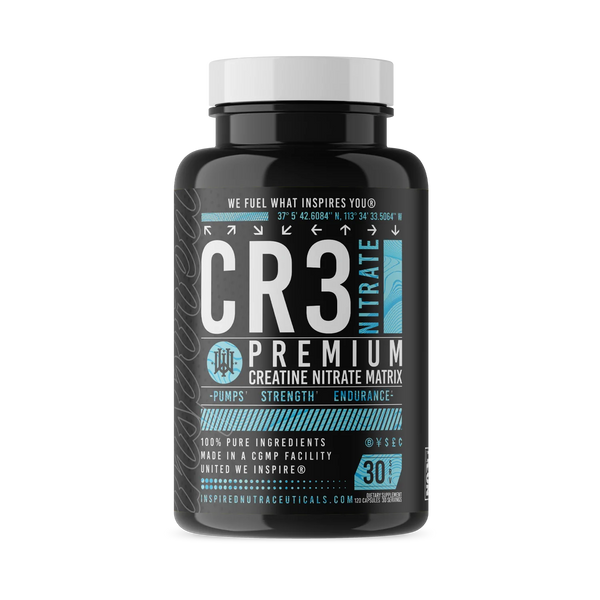
Combination products offer convenience but vary in creatine grams per serving and price. Compare the creatine contribution and the manufacturer’s rationale for included ingredients, and review cost per effective gram. For balanced context, see Creatine + HMB or Nitrates: When Stacked Formulas Make Sense.
Evidence snapshot on timing
- Multi‑week resistance training: An 8‑week randomized, double‑blind trial comparing 5 g/day before versus after training found no consistent superiority for either timing when total intake was equal (timing RCT).
- Earlier timing comparison: A prior study in recreational lifters also reported similar outcomes between pre‑ and post‑exercise intake when programs and totals were matched (pre vs post trial).
- Risk management for athletes: Certification reduces, but does not eliminate, risk of banned‑substance contamination; see USADA Supplement Connect and NSF Certified for Sport.
Example product formats (label features only)
- Bulk powder (monohydrate): Larger tubs can help reduce reorder frequency. Check grams of creatine per scoop and total servings, such as on Raw Creatine 250srv. Smaller tubs like Raw Creatine 30srv can help you confirm mixability before committing to a larger size.
- Gummy or chewable form: Useful when mixing isn’t practical. Review grams of creatine per serving and sugars per serving on options like Raw Creatine Gummies 120ct, Allmax Creatine Gummies 90ct, or tablet‑style Panda Creatine Bites 120tabs.
- Creatine with adjuncts: Some labels include HMB or other ingredients. Consider Transparent Labs Creatine HMB 30srv if you prefer a combined product and the label aligns with your goals and budget.
- Buffered or multi‑form creatine: If you’re comparing alternatives to monohydrate, review total creatine per serving, rationale for the form, and price. Examples include EFX Kre‑Alkalyn EFX 66srv and a multi‑creatine blend like Crea‑Ten 30srv.
Frequently Asked Questions
Is there a “best” time to take creatine on training days?
Current evidence does not show a consistent advantage for taking creatine specifically before or after workouts when total intake is matched across weeks; consistency and label adherence matter most (8‑week RCT; timing comparison).
Do I keep taking creatine on rest days?
Most research protocols continue daily intake on non‑training days to maintain muscle creatine stores. Choose a consistent time you can repeat, like with lunch.
Can I mix creatine with coffee or stimulant products?
Compare total daily caffeine and stimulant intake from all sources and follow each label’s warnings. Avoid stacking stimulant‑containing supplements with other stimulants unless a clinician advises you to do so.
What should drug‑tested athletes look for on the label?
Certification logos can help reduce, but not remove, risk. For guidance on lowering contamination risk and understanding what certification covers, see USADA Supplement Connect and NSF Certified for Sport.
Next steps
If you’re still deciding on format, compare research depth, serving grams, and value using these resources: Creatine Monohydrate vs HCL, the format overview in Creatine Playbook, and price context in Budget Planner: Cost per 5g Across Powders, Chews, and Stacks. For portability, see Travel & On‑the‑Go, and for comfort strategies, visit Sensitive Stomachs. Choose the format you’ll remember consistently, follow the label, and check with a qualified professional if you have questions about medications, conditions, or testing requirements.