Do You Need a Loading Phase? Fast vs Gradual Saturation Explained
Aug 01, 2026
At checkout, a common question comes up: do you really need to “load” creatine, or can you take a steady daily amount and reach the same muscle levels more gradually? This label‑first guide explains how saturation works, compares fast and gradual approaches, and helps you choose a format—powder, capsules, chews, or gummies—you can use consistently in a U.S. routine.
What “saturation” means
Creatine helps recycle rapid energy in muscle. After you start supplementing, intramuscular creatine rises toward a steady state—often called saturation—based on intake and turnover. Classic muscle biopsy research documented two practical paths: a rapid rise using higher short‑term intakes, or a slower rise using smaller daily amounts over several weeks. Both routes increased muscle creatine in controlled trials, including the study indexed at Muscle creatine loading in men.
Two common label directions you’ll see
Always follow the directions and warnings on your specific product. The summaries below reflect common U.S. label language seen across creatine products.
Fast loading (front‑loaded)
- Typical label directions: Around 20 grams per day, split into 4 doses, for 5–7 days, then a lower daily amount (often 3–5 grams).
- Expected trajectory: Faster rise in muscle creatine during week one, consistent with the primary research cited above.
- Tradeoffs: More servings per day and higher product use in week one; some users report transient GI discomfort with large single doses or low fluid intake.
Gradual saturation (steady daily)
- Typical label directions: About 3–5 grams once daily with no loading phase.
- Expected trajectory: Similar saturation typically reached over ~3–4 weeks with consistent intake; this slower approach was also biopsy‑verified in the same controlled data set.
- Tradeoffs: Slower initial rise, but a simpler routine with fewer daily servings.
Side‑by‑Side Comparison
Use this educational matrix to compare approaches. It’s not a personal plan—read and follow your product’s label.
| Criteria | Fast Loading | Gradual Daily | Key difference | Common label approach |
|---|---|---|---|---|
| Time to near‑saturation | About 1 week with multiple daily servings | About 3–4 weeks with one daily serving | Speed versus simplicity | “Loading” for 5–7 days, then maintenance vs. single daily serving |
| Daily servings complexity | Higher (split doses) | Lower (once daily) | More total scoops in week one vs. a simple routine | 4 × ~5 g per day vs. ~3–5 g per day |
| Short‑term GI tolerance | Greater chance if large single doses | Often easier for sensitive users | Dose size, fluids, and meals matter | Small divided servings with ample fluid vs. single daily serving |
| Cost over the first week | Higher (front‑loaded use) | Lower (standard daily amount) | Accelerated consumption vs. steady use | More scoops in week one vs. standard use |
If you don’t want to overthink timing, practical day‑by‑day templates are in Mixing & Timing: Daily Routine Templates for Training and Rest Days.
Label‑first: how to read directions and serving sizes
- Check grams per serving. Labels may show grams per scoop, capsule count, or pieces (gummies/chews). For a walkthrough, see How to Read Creatine Labels: Servings, Grams per Scoop, and Purity.
- Identify the form on Supplement Facts or label copy. Most products use creatine monohydrate; others are multi‑creatine blends. Peer‑reviewed summaries and professional groups consistently recognize monohydrate as the most studied option for raising muscle creatine (see PubMed‑indexed overviews such as Muscle creatine loading in men).
- Follow directions and warnings. Serving instructions, age statements, contraindications, and storage vary by brand. If you have a sensitive stomach, see comfort strategies in Sensitive Stomachs: Tips for Avoiding GI Upset with Creatine.
Choosing a format you can use every day
Consistency usually matters more than time of day. Pick a format that fits your life in the U.S.—at home, at work, or on the road. For travel‑friendly options, see Travel & On‑the‑Go: Best Non‑Powder Creatine Options (Chews, Gummies, Caps).
Powders
- Why consider: Flexible serving sizes and, typically, the lowest cost per 5 g.
- Label features: Often 5 g creatine monohydrate per scoop; unflavored or flavored.
- Illustrative sizes: Smaller tubs like Creatine Monohydrate Powder 100g are useful for short trials, while Creatine Monohydrate Powder 400g and Creatine Monohydrate Powder 1000g suit longer routines or households with multiple users.
- Bulk option: If you prefer fewer reorders, a large count like Raw Creatine 250srv can align with steady daily use; for short runs or travel, see Raw Creatine 30srv.
Gummies & chewables
- Why consider: No shaker needed; helpful when consistency is your priority.
- Label features: Multi‑piece servings (several gummies or chews to reach roughly 3–5 g total creatine).
- Examples to compare: Check piece counts and per‑serving totals on Raw Creatine Gummies 120ct or tablet‑style chews like Panda Creatine Bites 120Tabs. A format comparison is in Creatine Gummies & Chews: Pros, Cons, and Who They Fit.
Capsules
- Why consider: Portable, measured doses; no mixing.
- Label features: Serving size is listed as capsule count that totals the daily grams.
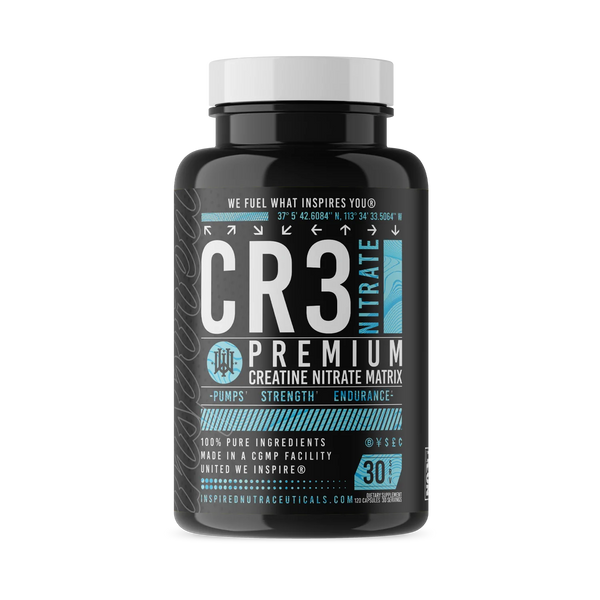
- Examples to compare: A straightforward capsule listing is Creatine 3000 150Caps. Some capsule formulas include alt forms or supportive ingredients; if you prefer that style, compare total creatine and directions on CR-3 Beyond Creatine 120Caps.
Multi‑creatine blends
- Why consider: Flavored powders with multiple creatine sources; some labels include transport or support ingredients.
- Label features: Total creatine may be shown as a combined amount from several forms—compare that number and servings per container.
- Example to compare: Crea-Ten 30srv is marketed as a multi‑creatine powder; align the stated creatine per serving and total servings with your usage timeline. For stacked formulas (e.g., HMB or nitrates), see Combination Creatine Products: HMB, Nitrates, and Label Differences.
Price differences across formats can be significant. For cost math examples, visit Budget Planner: Cost per 5g Across Powders, Chews, and Gummies.
What independent research suggests
- Loading reaches saturation more quickly. About 20 g/day for ~5–7 days followed by a lower daily amount is a rapid path to elevate muscle creatine; see Muscle creatine loading in men.
- Consistent daily intake without loading can reach a similar steady state. Approximately 3 g/day for ~28 days produced a comparable increase in muscle creatine in the same controlled data set; again, see the PubMed‑indexed biopsy results above.
- Certifications for risk reduction. Drug‑tested athletes often look for independent certification programs that screen for many banned substances; learn how the program works at NSF Certified for Sport.
Comfort and tolerance
Some users report better GI comfort when they follow labeled directions with meals, use smaller divided servings where appropriate, and consume adequate fluid. Individual responses vary. Practical strategies are summarized in Sensitive Stomachs: Tips for Avoiding GI Upset with Creatine.
Safety, certifications, and common‑sense use (U.S. context)
- Read your product’s Supplement Facts, directions, and warnings. Do not exceed labeled servings.
- Check for ingredient overlap if other products in your routine also include creatine.
- If you are pregnant or nursing, under 18, have kidney issues, or take prescription medications, discuss supplements with a qualified healthcare professional.
- Drug‑tested athletes can review supplement risk education and why no program can reduce risk to zero at USADA’s Supplement Connect.
- For third‑party screening details, see NSF Certified for Sport.
When Comparing Products
Use this checklist to compare options on the shelf or online, then explore the related educational guides below for details.
- Creatine form (e.g., monohydrate vs multi‑creatine blend); see Creatine Monohydrate vs HCL: Which to Choose for Strength and Price
- Grams of creatine per serving and servings per container; see How to Read Creatine Labels: Servings, Grams per Scoop, and Purity
- Format fit for your routine (powder, capsules, gummies/chews); see Creatine Gummies & Chews: Pros, Cons, and Who They Fit
- Where you’ll use it (home, office, travel); see Travel & On‑the‑Go
- Whether you want a single‑ingredient powder or a blend with added ingredients; see Combination Creatine Products
- Budget over a 30–90 day window; see Budget Planner
- Questions about perceived water weight or “bloat”; see Creatine for Women: Bloat Myths, Dosing, and Results Timeline
Frequently Asked Questions
Will I get the same results without a loading phase?
Both approaches raise muscle creatine. A loading phase reaches higher levels faster (about a week); a steady ~3–5 g daily routine generally reaches similar levels within ~3–4 weeks when you’re consistent. This pattern is supported by biopsy data indexed at PubMed.
What’s the typical “maintenance” amount on U.S. labels?
Many single‑ingredient creatine monohydrate products list 3–5 g once daily after an optional loading phase. Multi‑creatine blends may differ; compare the total grams of creatine per serving and servings per container.
Are gummies, chews, or capsules as effective as powder?
Effectiveness depends on total creatine dose, not the format. Gummies and chews often require multiple pieces to reach ~3–5 g. Capsules typically require several capsules per serving. Pick the format you can use consistently and confirm the per‑serving total on the label.
I’m a drug‑tested athlete. What else should I consider?
No supplement can be guaranteed risk‑free. If you choose to use supplements, many athletes consider third‑party certified products and learn risk‑reduction steps via USADA’s Supplement Connect. For program details, see NSF Certified for Sport.
Next steps: keep it simple and consistent
If you like flexibility and the lowest cost per 5 g, compare sizes such as Creatine Monohydrate Powder 100g, Creatine Monohydrate Powder 400g, and Creatine Monohydrate Powder 1000g. Prefer fewer reorders? A larger count like Raw Creatine 250srv or a compact run like Raw Creatine 30srv can fit steady daily use. If powder isn’t your thing, compare per‑serving totals on Raw Creatine Gummies 120ct, chewable tablets such as Panda Creatine Bites 120Tabs, straightforward capsules like Creatine 3000 150Caps, or a capsule formula such as CR-3 Beyond Creatine 120Caps. If you want a flavored multi‑creatine blend, review total creatine per serving on Crea-Ten 30srv. For price math and planning, see Budget Planner: Cost per 5g Across Powders, Chews, and Gummies.
Trusted evidence and risk‑reduction resources
- Biopsy‑verified timelines for fast loading vs gradual daily intake: Muscle creatine loading in men.
- Third‑party screening overview: NSF Certified for Sport.
- Supplement risk education (U.S. context): USADA Supplement Connect.