Creatine Playbook: Monohydrate, Chews/Gummies, HCL, and Stacks
Aug 01, 2026
Creatine is simple in principle and messy in the aisle. The ingredient most people look for—creatine monohydrate—shows up in tubs, capsules, chews, gummies, and multi‑ingredient stacks, each with different serving sizes and promises. This Core Guide strips the confusion away so you can match the type (monohydrate, HCl, blends), the format (powder, capsules, chews, gummies), and the use pattern (loading vs gradual, daily timing, travel) to your goals, budget, and routine—without overpaying or chasing gimmicks.
The framework throughout is practical: evidence first, label second, your lifestyle always. Evidence helps you prioritize forms with the strongest human research. Labels tell you exactly what you’ll ingest per serving, how many servings are in the container, and any quality disclosures. Your lifestyle—work schedule, training blocks, taste preferences, commute and travel—decides which format you can take consistently enough to matter.
As you read, you’ll see targeted companion pieces where a deep dive helps you make a decision. When you want day‑one clarity on fast versus gradual saturation, open Do You Need a Loading Phase? Fast vs Gradual Saturation Explained. When you want to decode a Supplement Facts panel line‑by‑line, use How to Read Creatine Labels: Servings, Grams per Scoop, and Purity. If you’re comparing monohydrate with HCl, or deciding if gummies or chews are a fit for your travel week, those focused guides are linked in context below.
Why creatine is in your cart: the constant goal across formats
Most consumer creatine products aim at the same outcome: supporting high‑intensity exercise capacity and strength gains when used consistently alongside training. Creatine monohydrate is the reference form in human research. Its mechanism is straightforward—creatine phosphate helps regenerate ATP during short, intense efforts—yet your experience with it depends more on the format you buy and the habits you can keep than on novelty terminology on the label. For a clear overview of the scientific foundation and usage principles, see the position stand from the International Society of Sports Nutrition at the ISSN.
The translation for shoppers: don’t let the container shape or flavor system distract you from the core ingredient. If a label plainly discloses “Creatine monohydrate — X g per serving,” you’re comparing formats and value—not rewriting the science.
Format drives friction, fit, and value
Two people can buy the same ingredient and have totally different experiences. Powders ask for scoops and shakers; capsules avoid taste but may require several caps per serving; gummies and chews remove mixing and often taste great, yet typically cost more per 5 g equivalent and can carry extra sugars or sweeteners. None of that makes a given option “good” or “bad”—it makes it more or less suited to your schedule, gut tolerance, and budget this month.
The key questions before you add to cart:
- How sensitive is your stomach to large single servings, gritty textures, or sugar alcohols?
- Where in your day will you reliably take creatine—after training, with lunch at the office, or in an evening routine on rest days?
- Do you prefer no‑taste capsules, flexible unflavored powder, or flavor‑first chews/gummies?
- Are you flying, commuting, or training away from home and need something pre‑portioned and spill‑proof?
- How much are you willing to spend per 5 g of creatine for the sake of convenience?
Creatine options at a glance: a shopper’s decision matrix
Use this table to compare formats and formulas against the criteria most people weigh. The “Typical label serving” column reflects common U.S. Supplement Facts disclosures. Always follow the directions and warnings on your specific product.
| Option | Typical label serving | Pros (fit/experience) | Cons (tradeoffs) | Who it often fits |
|---|---|---|---|---|
| Creatine monohydrate powder | ~3–5 g per scoop | Strongest human research base; lowest cost per 5 g; flexible mixing; unflavored options blend into shakes | Requires measuring/mixing; texture varies by micronization and dissolution; not the most travel‑friendly | Budget‑conscious users; home gym setups; shoppers prioritizing evidence depth |
| Capsules (usually monohydrate) | Often 2–3 g per serving (several caps) | No taste; precise, portable portions; easy in pill organizers | More caps to reach ~3–5 g; typically higher cost per 5 g vs bulk powder | Office commuters; users who dislike powder texture or flavors |
| Chews (tablet/candy style) | Commonly 3–5 g per serving | Zero mixing; quick to take; often fewer pieces than gummies | Added sweeteners/flavors; bottles can be bulky; heat can soften | Travel weeks; users who want a fixed piece‑count and quick intake |
| Gummies (usually monohydrate) | Varies; several pieces may equal ~3–5 g | Taste‑first; easy daily habit; no scoops or shakers | Typically higher cost per 5 g; calories/sugars vary; more pieces per serving | Users who value adherence and convenience over raw price |
| Creatine HCl | Often smaller gram amounts per label | Mixes easily; smaller serving mass; some users find the mouthfeel gentler | Less outcomes research vs monohydrate; generally higher price per comparable use | Users prioritizing easy mixing and comfortable mouthfeel |
| Stacks (e.g., creatine + HMB or nitrates) | Varies by formula; check disclosed mg/g per serving | One serving covers multiple ingredients; may align with specific goals | Higher price per serving; watch proprietary blends; added excipients and flavors | Shoppers who want convenience and are comfortable auditing labels |
Read labels like a quality auditor—so you always compare apples to apples
Before you buy, slow down and read the Supplement Facts panel line‑by‑line. Five checkpoints unlock a clean comparison across formats:
- Serving size: The manufacturer‑defined amount used for nutrition facts (e.g., “1 scoop,” “X capsules,” or “Y gummies/chews”).
- Amount per serving: Grams or milligrams of creatine in that serving (e.g., “Creatine monohydrate — 5 g”). This is your best cross‑product comparator.
- Servings per container: How long the package lasts if you follow the label.
- Net contents: Total weight, capsule count, or piece count. Use it as a sense check against servings per container.
- Other ingredients: Anything beyond creatine (flavors, sweeteners, binders). These can influence taste, GI comfort, and whether the format fits your preferences.
If you’ve ever wondered why two “5 g scoops” from different brands don’t physically look the same, that’s density and particle size—not a different amount of creatine. A gram is a gram; the scoop is a convenience tool. For a quick walkthrough that demystifies grams per scoop, micronization, and third‑party testing language on U.S. labels, open How to Read Creatine Labels: Servings, Grams per Scoop, and Purity.
Monohydrate vs HCl: choose by evidence depth, mixability needs, and price tolerance
Most people eventually weigh plain creatine monohydrate against creatine HCl. If your top priority is the form with the broadest human outcomes research behind strength and high‑intensity performance, monohydrate remains the reference standard. If your top priority is feel in the glass—quick dissolution and a smaller serving mass—HCl can be appealing, though it’s typically priced higher for a comparable daily use pattern. How do you decide without overthinking it?
- Evidence: Monohydrate has the widest base of positive trials in athletes and active adults; HCl has less outcomes data.
- Experience: If you dislike texture or notice grit, HCl’s solubility or a more finely micronized monohydrate may improve your experience.
- Value: On U.S. shelves, monohydrate powder is usually the value leader on cost per 5 g. HCl tends to cost more per day when you scale to a comparable routine.
For a side‑by‑side breakdown of dosing language on U.S. labels, solubility, GI tolerance, quality testing, and price expectations—written for shoppers instead of chemists—use Creatine Monohydrate vs HCL: Which to Choose for Strength and Price. If you choose monohydrate, you’re selecting the most studied form. If you choose HCl, you’re paying for convenience variables you personally value—just make the tradeoff consciously.
Gummies and chews: friction‑free intake, different price math
Chews and gummies took off for one reason: people use them. They’re easy on busy days and require zero mixing. The tradeoff is math: the cost per ~5 g of creatine is often higher than a simple tub, and you’ll want to check calories and sugars if you’re managing total intake. If you’re heat‑exposed (summer cars, outdoor jobs), expect softening—keep the lid tight.
Before you buy, confirm three things on the label: the grams of creatine per serving, the pieces per serving (some gummies require several pieces to equal one serving), and the total pieces per bottle. That tells you how long it will last at your preferred daily use. For a practical format guide—including who gravitates to chews/gummies and what alternatives to consider—open Creatine Gummies & Chews: Pros, Cons, and Who They Fit.
GI comfort: small prep changes and smart format choices reduce complaints
Creatine is generally well tolerated, but some people report cramping, loose stool, or a heavy “sloshing” sensation—often linked to large one‑time servings, gritty suspensions, or sensitivity to added acids or sugar alcohols. The fixes are practical: split your intake into smaller portions across the day, fully dissolve powders (warmer water or a blended shake helps), and pick formats that align with your triggers (capsules for taste/texture sensitivities; smoother powders for mixability).
For a stepwise checklist—what to scan on “Other ingredients,” how piece counts affect GI feedback, and why gradual saturation can help—use Sensitive Stomachs: Tips for Avoiding GI Upset with Creatine. The goal is comfort and consistency, not toughing it out.
Loading or not? Two routes to the same destination—pick the one you’ll keep
After format, the next fork is approach: a short loading phase for a quicker rise in muscle creatine, or a steady daily amount for a slower glide to the same plateau. Labels often present both options so adults can choose based on preference and tolerance. A classic loading pattern on U.S. labels looks like ~20 g/day in four split servings for 5–7 days, then ~3–5 g/day thereafter. A steady approach uses ~3–5 g/day from the start, reaching similar muscle levels over several weeks.
To see how saturation works, how long each approach tends to take, and how to read labels that mention loading versus maintenance, jump to Do You Need a Loading Phase? Fast vs Gradual Saturation Explained. That guide focuses on label language you’ll actually see when shopping and helps you pair an approach with a format you’ll use consistently.
Timing and daily routines: consistency beats precision
“Pre or post?” feels urgent, but across multi‑week training blocks where total intake is matched, studies haven’t identified a consistent advantage for dosing immediately before versus after exercise. The biggest wins come from picking a moment you won’t skip and repeating it across weeks. That could be with a protein shake after training, with lunch on office days, or alongside an evening pill organizer on rest days.
For ready‑to‑use routine templates (training day and rest day), practical mixing tips, and a compact format comparison framed around adherence, open Creatine Timing Explained: Evidence and Daily Consistency. If you prefer a broader fitness‑nutrition context from a professional body, review foundational guidance from the American College of Sports Medicine. For athletes who align supplement habits with anti‑doping best practices and certification awareness, see the program overview at NSF Certified for Sport.
Women’s questions: water shifts, label servings, and realistic timelines
Common concerns from women include “Will I look puffy?” and “What will the label tell me to take?” Short‑term scale changes that some people notice after starting creatine typically reflect shifts in intracellular water—water drawn into muscle—rather than under‑skin puffiness. Many U.S. creatine monohydrate labels direct adults to take around 3–5 g per day after any optional loading phase. As with all supplements, follow your product’s directions and consider personal factors like training, hydration, and menstrual cycle phase when interpreting short‑term changes.
For a focused answer—backed by research context, label examples, and realistic timelines—open Creatine for Women: Bloat Myths, Dosing, and Results Timeline. You’ll see how to read Supplement Facts without guesswork, how different formats compare for adherence, and how to set expectations across weeks of consistent use.
Budgeting and value: how to compare cost per 5 g (and when you shouldn’t)
Creatine is one of the easiest supplements to buy well if you understand value math. For plain creatine monohydrate labeled at 5 g per serving, estimate cost per 5 g as: list price divided by the number of 5 g servings. For formats where pieces are smaller (e.g., 1.25 g per gummy), divide total pieces by the number of pieces required to reach 5 g, then divide price by that result. For stacked or non‑monohydrate formulas with unique serving sizes, compare price by cost per labeled serving instead of forcing a 5 g equivalent—it’s more honest to what you’ll actually take.
For a current snapshot and worked examples using real product pages, open Budget Planner: Cost per 5g Across Powders, Chews, and Stacks. That planner summarizes U.S. pricing checked on August 1, 2026 and shows exactly how to do the math across powders, chews, gummies, and blends so you can price your month realistically.
Travel and on‑the‑go weeks: formats that protect your routine
Busy weeks and flights are where well‑intended supplement habits fall apart. Pre‑portioned solid formats shine here because they’re spill‑proof and don’t require a shaker. Chews and gummies can be easy to count into a carry‑on organizer; capsules take almost no space and avoid flavor entirely. The tradeoff is cost per day and, for gummies, the effect of heat on texture.
If you’re deciding between chews, gummies, and capsules—and want a quick matrix that compares creatine per serving, calories/sugars, convenience notes, and who each format fits—use Travel & On‑the‑Go: Best Non‑Powder Creatine Options (Chews, Gummies, Caps). For the bigger question of whether gummies or chews fit your daily life beyond travel, see Creatine Gummies & Chews: Pros, Cons, and Who They Fit.
Stacks and blends (creatine + HMB or nitrates): when a combo can make sense
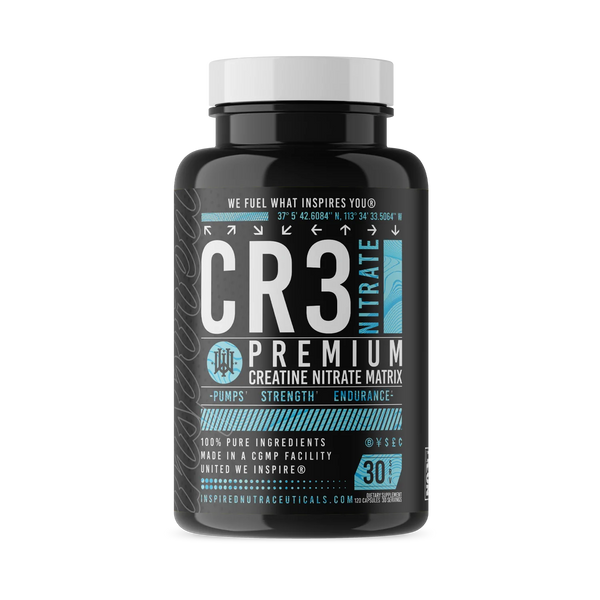
While plain monohydrate covers most needs, some shoppers look at stacked formulas—typically creatine plus HMB or standardized dietary nitrates—to simplify their shelf or target a particular outcome. The key is transparency: confirm grams of creatine per serving first, then check the disclosed amounts of any additional ingredients, and finally compare price per labeled serving against a plain creatine + separate single‑ingredient approach.
For a label‑first explainer on HMB and nitrates—what they are, the research context, and when a combo might be a reasonable choice versus plain creatine—open Creatine + HMB or Nitrates: When Stacked Formulas Make Sense. That guide also shows how to audit Supplement Facts and interpret proprietary blends so you’re paying for disclosed actives—not mystery powder.
Quality, safety, and certification: make informed, low‑friction choices
Dietary supplements in the U.S. are regulated differently from drugs, so third‑party testing programs can help reduce (not eliminate) the risk of contamination or label inaccuracies. Athletes in drug‑tested sports often prefer products certified to programs such as NSF Certified for Sport. You can learn what certification covers at NSF Certified for Sport, and athletes can review anti‑doping education and supplement risk guidance at USADA. Ingredient standards, such as pharmacopeial monographs, also exist for some compounds; the U.S. Pharmacopeia (USP) publishes compendial standards that manufacturers may reference for quality control.
As a rule of thumb: favor products with transparent Supplement Facts (no unnecessary proprietary blends for single‑ingredient creatine), look for clear creatine type and grams per serving, and consider third‑party certification if your risk tolerance is low. Finally, compare labels by numbers—not marketing copy.
Practical mixing, storage, and routine tips that keep creatine effortless
These small decisions often separate “I meant to” from “I did it every day” over a month:
- Pair creatine with an existing habit. Align intake with something you already do daily—your protein shake, lunch, or nightly supplements.
- Split servings if needed. If larger one‑time servings feel heavy, two smaller ones (e.g., AM/PM) can be gentler while keeping weekly totals equal.
- Mix with intent. For powders, use enough liquid and time. Slightly warm water or a blend with a shake helps full dissolution. Let foam settle before drinking.
- Count what’s in other products. If a pre‑workout or recovery formula lists creatine, include it in your personal daily total.
- Travel smart. Pre‑count capsules or chews/gummies into a small organizer. Keep gummies sealed and out of prolonged heat.
- Label literacy beats scoop guessing. Use the grams on Supplement Facts as your truth—not the physical size of a scoop.
Scenario playbook: match your situation to a workable plan
Use these realistic scenarios to map your needs to a format and approach. They’re examples, not prescriptions—always follow your product’s directions and any guidance from your healthcare professional.
“I want the strongest research base and lowest price per month.”
Pick a plain creatine monohydrate powder with clear 5 g per serving and high servings per container. Build your routine around a time you won’t skip (e.g., after training or with breakfast). For value math and label checkpoints, see How to Read Creatine Labels and the price walkthrough in Budget Planner.
“Powders bug my stomach; I still want monohydrate.”
Try capsules or a finely micronized monohydrate powder and split your intake into two smaller portions. Audit “Other ingredients” for your personal triggers. Troubleshooting steps are organized in Sensitive Stomachs.
“I travel weekly and keep forgetting my shaker.”
Consider solid formats: chews, gummies, or capsules. Pre‑count into a travel pill case or small organizer. For a direct comparison of these non‑powder options—including calories, sugars, and convenience notes—tap Travel & On‑the‑Go and the broader format fit in Creatine Gummies & Chews.
“I’m impatient. Should I load?”
Both a short loading phase and a steady daily amount can reach similar muscle creatine levels across weeks; they mainly differ in speed and how your stomach feels about larger split doses. If you’re curious about the timelines and common U.S. label language (e.g., ~20 g/day for 5–7 days, then ~3–5 g/day), start with Do You Need a Loading Phase?
“I’m weighing HCl for mixing and mouthfeel.”
HCl often dissolves fast and uses smaller serving masses, but typically costs more and has a slimmer outcomes evidence base compared with monohydrate. If those tradeoffs match your priorities, it can be reasonable. For a clean, label‑level comparison, see Monohydrate vs HCl.
“I’m considering a creatine stack to simplify my shelf.”
Stacked formulas can be convenient when they disclose exact amounts and align with your goals. Confirm the creatine grams per serving first; then weigh the added ingredients’ evidence and cost per labeled serving. If the combo is mostly flavor systems and proprietary names without disclosures, plain creatine plus targeted single‑ingredient products may be a cleaner, often more economical path. For details, use Creatine + HMB or Nitrates.
Evidence snapshots (in plain English)
- Overall efficacy: Consistent creatine use with training supports high‑intensity performance and strength. See the position stand at the ISSN.
- Timing nuance: Multi‑week comparisons of pre‑ vs post‑workout intake generally show no consistent advantage when weekly intake is matched. Representative trials are indexed on PubMed.
- Certification and risk reduction: For drug‑tested athletes, products certified to programs such as NSF Certified for Sport can reduce (not eliminate) banned‑substance risk; learn more at NSF Certified for Sport.
Buyer guardrails: what to ignore and what to lean on
- Ignore scoop size hype. Grams on Supplement Facts are what count. Scoops vary by density and particle size.
- Be cautious with vague blends. Single‑ingredient creatine doesn’t need a proprietary blend. Favor clear disclosures.
- Match format to habit. The most evidence‑based choice still fails if you don’t take it. Remove friction first.
- Avoid “magic timing.” Across weeks, adherence beats minute‑level precision. Set a simple routine you’ll keep.
- Respect your stomach. If you feel off, adjust serving size, mixing, timing, or format. Comfort fuels consistency. For troubleshooting, open Sensitive Stomachs.
Key takeaways
- Monohydrate is the research anchor. Choose it if you value breadth of human outcomes data and cost‑per‑day efficiency; see the ISSN for context.
- Format choice is about friction. Powders maximize value. Capsules remove taste. Chews/gummies maximize adherence and portability at a higher per‑day cost.
- Labels drive smart comparisons. Use grams per serving, servings per container, and other‑ingredient lines to compare apples to apples. For a walkthrough, see How to Read Creatine Labels.
- Loading is optional. A short loading phase speeds the rise; steady daily use arrives later at similar levels. Pick the path you’ll keep; details are in Do You Need a Loading Phase?
- Timing isn’t magic. Consistency across weeks matters far more than pre/post precision. Routine templates are in Creatine Timing Explained.
- Consider certification if you’re risk‑averse or drug‑tested. Program info is at NSF Certified for Sport.
Frequently Asked Questions
Do I really need to load creatine to see benefits?
No. A short loading phase can raise muscle creatine levels faster, but a steady daily amount reaches similar levels over several weeks. The choice is about speed and comfort. For label examples and timelines, see Do You Need a Loading Phase? Fast vs Gradual Saturation Explained.
Is creatine HCl “stronger” than monohydrate?
“Stronger” isn’t the right lens. Monohydrate has the broadest outcomes evidence base for strength and high‑intensity work. HCl often dissolves faster and uses a smaller serving mass, which some users prefer, but it’s typically priced higher per comparable daily routine and has less outcomes research. For a practical side‑by‑side, see Creatine Monohydrate vs HCL.
What time of day should I take creatine?
The best time is the time you won’t skip. Across multi‑week blocks with matched totals, pre‑ vs post‑workout timing hasn’t shown a consistent advantage. Build a simple daily habit and continue on rest days. Routine templates are in Creatine Timing Explained and representative studies are indexed at PubMed.
Will creatine make me look puffy?
Short‑term changes in scale weight or “fullness” usually reflect water drawn into muscle (intracellular water), not under‑skin puffiness. Individual experience varies based on training, hydration, sodium intake, and cycle phase. For a clear, research‑informed overview of dose, timelines, and expectations, see Creatine for Women.
Where to go next
- Confidently compare tubs, caps, and chewables with How to Read Creatine Labels.
- Decide on fast vs gradual intake using Do You Need a Loading Phase?
- Choose between monohydrate and HCl with Creatine Monohydrate vs HCL.
- Find your daily rhythm with Creatine Timing Explained.
- Compare travel‑friendly formats in Travel & On‑the‑Go and format fit in Creatine Gummies & Chews.
- Dial in comfort with Sensitive Stomachs.
- Evaluate combo formulas in Creatine + HMB or Nitrates.
- Do the value math with Budget Planner: Cost per 5g.